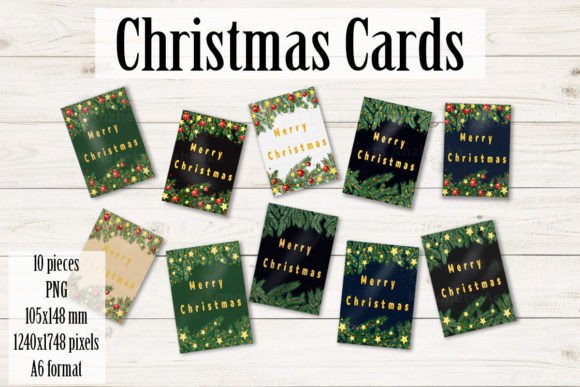
Christmas Cards Template: A Designer's Real-World Embroidery Review
As someone who has spent years stitching through everything from delicate baby onesies to heavy-duty workwear, I approach every new machine embroidery design with a mix of excitement and skepticism. When I first encountered the Christmas Cards Template, my initial reaction wasn't about the file format or stitch count; it was about the mood. Does this design capture the warmth of the holiday season without looking cluttered? Can it stand alone on a tote bag, or does it need a complex background to shine? After running several test stitches and simulating real client projects, I have some practical insights to share.
The Christmas Cards Template falls under the Illustrations category, which immediately sets expectations for visual storytelling rather than just simple text or geometric patterns. The layout feels festive yet refined, creating an inviting atmosphere that screams "handmade." It possesses a visual personality that is both nostalgic and modern, making it a versatile asset for anyone looking to elevate their craft business. Whether you are an Etsy seller preparing for the holiday rush or a boutique owner branding your small shop product, this design offers a professional touch that generic clip art simply cannot match.
Bringing the Design to Life: A Real Project Scenario
Let's talk about how this design performs in the wild. Imagine you are a small business owner preparing a limited edition run of holiday gift sets. You decide to create custom embroidered kitchen towels and matching aprons to sell at a local craft fair. This is where the Christmas Cards Template truly shines. The composition is balanced enough to sit perfectly on the corner of a tea towel without overwhelming the fabric, yet detailed enough to catch the eye from across a booth.
I tested a mockup of this design on a dark navy cotton canvas, a common choice for durable custom apparel and tote bag designs. The contrast between the thread colors and the fabric texture was excellent. Unlike some dense fill stitches that can distort thin fabrics, this design maintains its integrity. When I stitched it onto a white linen pillow cover, the details remained crisp, suggesting high-quality stitch density management. Customers don't just buy a product; they buy the story behind it. A well-executed Christmas Cards Template on a finished product tells a story of care and attention to detail, boosting customer trust and perceived value.
Where This Design Fits Best
The versatility of this embroidery file is one of its strongest assets. It is not limited to traditional greeting cards or paper goods. In fact, its true potential lies in textile applications. For those selling personalized gifts, this design works beautifully on baby clothes, adding a soft, sentimental touch that parents love. The gentle curves and thematic elements make it perfect for holiday embroidery projects like nursery decor, blankets, and even sweatshirt embroidery for cozy family gatherings.
If you are a digital product seller creating printable mockups or design assets for other creators, having a high-quality Christmas Cards Template in your library is essential. It allows you to showcase realistic previews of what a client might receive. For commercial embroidery projects, such as branding for hotels or restaurants during the winter season, this design provides a level of sophistication that elevates the entire brand identity. It bridges the gap between a hobbyist project and a polished, commercial embroidery output.
Apparel and Accessories Applications
Beyond home goods, consider the possibilities for wearable items. The design scales well, making it suitable for embroidered patches that can be sewn onto denim jackets or backpacks. However, when placing it on curved surfaces like caps or hats, you must be mindful of the distortion. While the design is robust, tight corners on a baseball cap might require careful hoop placement to ensure the lines remain straight. Similarly, for baby embroidery on soft knits, the stability of the design is crucial to prevent puckering.
I also found it effective on aprons and kitchen towels, where the design often serves as the focal point. The balance of negative space allows the fabric texture to show through, adding depth to the final piece. This is particularly important for handmade products where the tactile quality is just as important as the visual appeal. When a customer touches a finished product with a smooth, well-defined stitch pattern, they feel the quality immediately.
Navigating Potential Pitfalls
While the Christmas Cards Template is a strong candidate for many projects, no design is without its challenges. As an experienced reviewer, I must highlight where caution is required. If you are working with small hoop sizes, pay close attention to the finer details. Tiny lettering or intricate decorative accents can sometimes get lost or become fuzzy if the resolution isn't sufficient for the specific machine settings.
Fabric choice is another critical factor. On stretchy fabrics like jersey or thin synthetics, the tension of the fill stitch might cause the material to pucker if proper stabilizer techniques aren't used. Dark fabrics can also present a challenge if the thread color palette isn't chosen carefully. Always check the thread colors against your fabric background before committing to a large batch. For example, light threads on dark fabric require higher stitch density to ensure coverage, which can increase the risk of stiffness in the final garment.
Additionally, avoid using this design on products that will undergo frequent, harsh washing unless you use high-quality stabilizers and pre-shrunk fabrics. The longevity of the embroidery project depends heavily on these technical decisions. If you plan to create a digital embroidery file for resale, ensure you have tested the design on various materials to guarantee consistent results for your buyers.
Practical Designer Notes for Success
Before you start stitching up a storm for your next Etsy listing or holiday gift collection, follow these essential steps to ensure your Christmas Cards Template delivers perfection.
- Test on Scrap Fabric: Never go straight to the final product. Run a test stitch on a scrap piece of the same material to check for tension issues and color accuracy.
- Check Thread Contrast: Ensure the selected thread colors pop against your background. Sometimes a design looks great in a digital preview but fails in physical reality due to low contrast.
- Review Stitch Density: Inspect areas with heavy satins stitch or running stitch to ensure they aren't too thick, which could cause needle breakage or fabric damage.
- Confirm Hoop Size: Verify that the design fits within your intended hoop size, especially for larger garments like sweatshirts or full-size aprons.
- Inspect Small Details: Zoom in on the digital preview to see if any tiny elements might get lost during the stitching process.
- Black and White Mockups: View the design in grayscale to understand how the different shades will translate into thread tones.
- Licensing Check: Before selling finished items or distributing the embroidery design digitally, confirm the licensing terms. Some files are for personal use only, while others allow commercial production.
Ultimately, the Christmas Cards Template is more than just a graphic; it is a tool for creative entrepreneurs to build their brands. By understanding its strengths and respecting its limitations, you can create professional and engaging products that resonate with buyers. Whether you are crafting a single personalized gift for a loved one or mass-producing small shop merchandise, this design provides the foundation for high-quality embroidery work that stands out in a crowded market.
In conclusion, if you are looking to add a touch of festive charm to your portfolio, this illustration is a worthy addition. It balances aesthetic appeal with technical feasibility, making it a reliable choice for both beginners and seasoned professionals. Just remember to do your homework on fabric and stabilizers, and your finished product will speak volumes about your craftsmanship.